Navigating the Skies: A Comprehensive Guide to Drone Safety Regulations
Introduction
Drones have become increasingly popular, both as a hobby and in various professional applications. However, with great technology comes great responsibility. In recent times, there have been significant developments in drone regulations to ensure the safety of the airspace and those on the ground. Whether you're a hobbyist exploring the skies for fun or a professional utilizing drones for work, understanding and complying with these regulations is paramount.
Understanding the Basics:
Before taking your drone to the skies, it's essential to be aware of the fundamental regulations that apply to both recreational and commercial drone use.
Registration Requirements:
All drones, regardless of their purpose, must be registered with the appropriate aviation authority in your country.
Hobbyists and professionals alike need to provide essential information, such as the drone's make, model, and serial number.
Airspace Restrictions:
Respect no-fly zones and restricted airspace, including airports, government buildings, and emergency response areas.
Stay informed about temporary flight restrictions (TFRs) in your location, which may arise due to events or emergencies.
Safety Measures for Hobbyists:
For drone enthusiasts flying for recreation, adherence to safety guidelines is crucial to prevent accidents and promote responsible drone use.
Fly Below Maximum Altitude:
Abide by the maximum altitude limits set by local regulations, typically ranging from 400 to 500 feet above ground level.
Maintain Visual Line of Sight:
Always keep your drone within your line of sight to avoid collisions with other aircraft and obstacles.
Consider using a spotter to help monitor the drone's position, especially in challenging flying conditions.
Avoid Crowded Areas:
Steer clear of crowded spaces, public events, and gatherings to minimize the risk of accidents and protect the privacy of individuals.
Guidelines for Professional Drone Operators:
Professionals using drones for commercial purposes must adhere to additional regulations to ensure the safety of both the airspace and the public.
Obtain Necessary Licenses and Permits:
Acquire the required licenses and permits for commercial drone operations from the relevant aviation authority.
Ensure that pilots are certified and undergo training programs to operate drones safely.
Insurance Coverage:
Obtain liability insurance coverage to mitigate risks associated with accidents or damage caused by drone operations.
Secure Authorization for Beyond Visual Line of Sight (BVLOS) Operations:
If your professional activities involve BVLOS operations, obtain authorization from the aviation authority to ensure compliance with safety measures.
Conclusion:
As drone technology continues to evolve, staying informed about the latest regulations is essential for both hobbyists and professionals. Prioritizing safety, adhering to guidelines, and promoting responsible drone use contribute to a secure and harmonious coexistence of drones with traditional aviation and the general public. By understanding and following these regulations, drone enthusiasts can continue to explore the skies while ensuring the safety of everyone involved.
The Drone Revolution: Transforming Industries
Drones, also known as Unmanned Aerial Vehicles (UAVs), have rapidly evolved from military applications to become a transformative force across various industries. Their ability to gather real-time data, cover vast areas efficiently, and access remote or hazardous locations has made them indispensable. In this blog post, we’ll explore the impact of drones in specific industries, showcasing real-world examples of how they are revolutionizing agriculture, construction, and environmental monitoring.
Agriculture: Precision Farming Takes Flight
Drones have brought about a paradigm shift in agriculture by enabling precision farming practices. These UAVs equipped with advanced sensors and cameras can monitor crop health, assess soil conditions, and optimize irrigation. By providing farmers with actionable insights, drones help in minimizing resource wastage and maximizing yields.
Real-world Example: DJI Agras MG-1
The DJI Agras MG-1 is an agricultural drone designed for crop spraying. It can cover large areas in a short time, precisely delivering fertilizers or pesticides. This not only reduces the environmental impact but also enhances the overall efficiency of farming operations.
Construction: Aerial Insights for Building Success
In the construction industry, drones are transforming the way projects are planned, executed, and monitored. These UAVs can capture high-resolution images, generate 3D models, and conduct aerial surveys. This data is invaluable for project managers, enabling them to make informed decisions, monitor progress, and enhance overall safety.
Real-world Example: Skycatch
Skycatch, a drone data analytics company, provides construction firms with a comprehensive solution. Their drones capture data that is then processed using machine learning algorithms to create detailed site maps, monitor construction progress, and even predict potential issues, streamlining the construction workflow.
Environmental Monitoring: Guardians of the Ecosystem
Drones are playing a crucial role in environmental conservation and monitoring. They offer a cost-effective and non-intrusive means of collecting data in diverse ecosystems, including forests, oceans, and wildlife reserves. UAVs equipped with specialized sensors can monitor changes in biodiversity, detect illegal activities, and assess the impact of climate change.
Real-world Example: Conservation Drones
Conservation Drones, a non-profit organization, utilizes UAVs for environmental research and protection. These drones assist researchers in collecting data on wildlife populations, tracking deforestation, and monitoring hard-to-reach areas. The information gathered contributes significantly to conservation efforts and sustainable ecosystem management.
In conclusion, drones have ushered in a new era of efficiency, cost-effectiveness, and innovation across various industries. From precision farming and construction site management to environmental monitoring and conservation, these unmanned aerial vehicles are proving to be invaluable tools. As technology continues to advance, we can expect even more groundbreaking applications of drones, further solidifying their status as catalysts for positive change in the modern world.
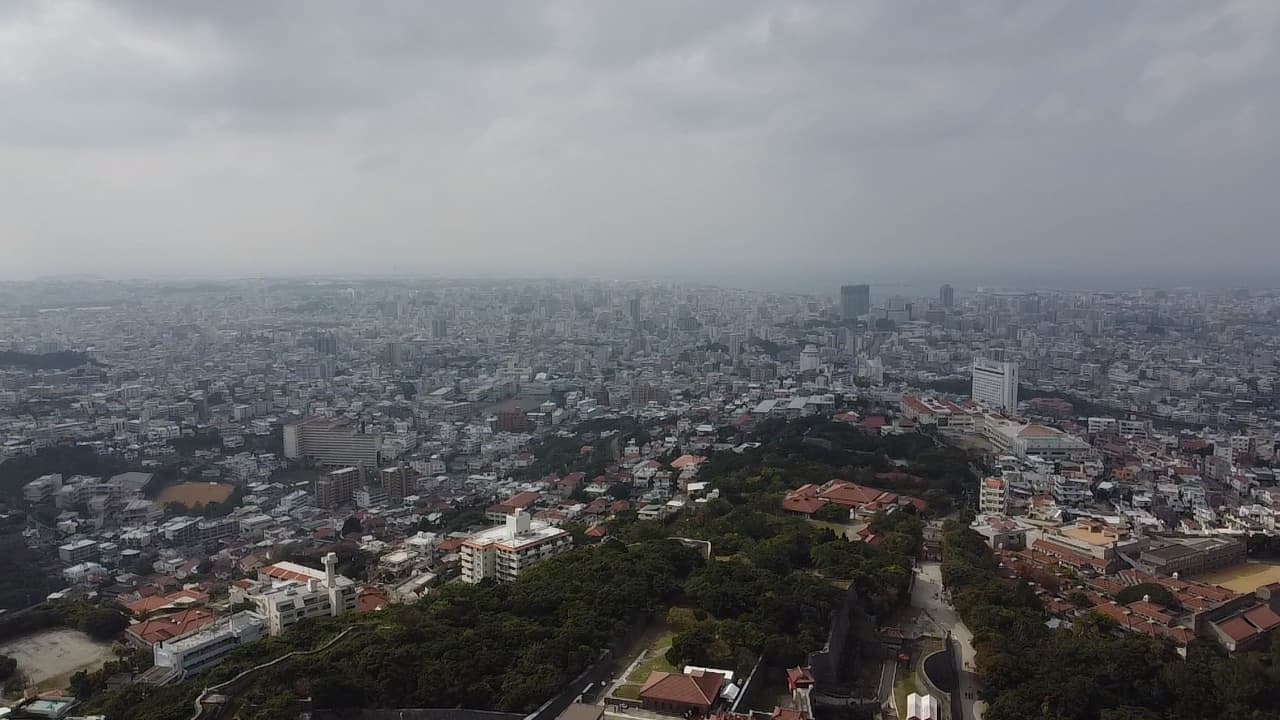
Top 10 Must-Have Accessories for Drone Enthusiasts
Drones have become an integral part of the photography and videography world, offering enthusiasts and professionals alike the ability to capture stunning aerial shots. However, to truly maximize your drone experience, investing in the right accessories is crucial. Here's a curated list of the top 10 must-have accessories for drone enthusiasts.
1. Extra Batteries
Review
: No drone pilot wants their flight cut short due to a drained battery. Investing in extra batteries is essential for prolonged flight sessions. Opt for high-capacity, reliable batteries compatible with your drone model.
2. Carrying Case
Review
: A durable carrying case is indispensable for transporting and protecting your drone. Look for cases with custom foam inserts that provide a snug fit for your drone, controller, batteries, and other accessories.
3. Propeller Guards
Review
: Accidents happen, and propeller guards can save your drone from damage during unexpected collisions. Choose lightweight yet sturdy guards that won't compromise your drone's performance.
4. ND Filters
Review
: Neutral Density (ND) filters are essential for controlling exposure in different lighting conditions. These filters reduce glare and prevent overexposure, ensuring your aerial footage is cinematic and visually appealing.
5. Sunhoods for Smartphones/Tablets
Review
: Glare on your device screen can make it challenging to monitor your drone's camera feed. Sunhoods block out sunlight, providing a clear view of your live footage, and are adjustable for various device sizes.
6. Multi-Battery Charging Hub
Review
: Charging multiple batteries individually can be time-consuming. A multi-battery charging hub allows you to charge several batteries simultaneously, ensuring you spend more time flying and less time waiting.
7. Landing Pad
Review
: A landing pad provides a clean and flat surface for take-offs and landings. It helps prevent debris from damaging your drone and adds an extra layer of stability, especially when landing on uneven terrain.
8. Remote Controller Signal Booster
Review
: Enhance your drone's range and signal strength with a remote controller signal booster. This accessory is particularly useful in areas with signal interference, allowing you to explore and capture shots from greater distances.
9. Microfiber Cleaning Kit
Review
: Keep your drone's camera lens and sensors clean with a microfiber cleaning kit. Dust and smudges can affect image quality, and a portable cleaning kit ensures you can maintain your equipment in the field.
10. GPS Tracker
Review
: Losing a drone is a nightmare for any pilot. A GPS tracker can be a lifesaver in such situations, helping you locate your drone in case of a flyaway or unexpected landing. Choose a compact and reliable GPS tracker with real-time tracking features.
Investing in these must-have accessories will not only enhance your drone flying experience but also contribute to the longevity and safety of your equipment. Consider your specific needs and drone model when selecting accessories, and enjoy taking your aerial photography and videography to new heights!

Mastering the Skies: Drone Photography Tips for Beginners
In the dynamic world of photography, drones have revolutionized the way we capture breathtaking moments from above. Whether you're an aspiring aerial photographer or a hobbyist looking to elevate your skills, this comprehensive guide will provide you with practical tips to navigate the skies and create stunning drone shots.
1. Know Your Drone:
Before taking off, familiarize yourself with your drone's features and capabilities. Understand its camera specifications, flight modes, and controls. This knowledge will empower you to make informed decisions when capturing that perfect shot.
2. Location, Location, Location:
Scout your shooting location in advance to identify potential obstacles, legal restrictions, and interesting landmarks. Popular spots include scenic landscapes, architectural wonders, and vibrant urban areas. Check local regulations to ensure you comply with any no-fly zones or restrictions.
3. Master Composition:
Apply traditional photography principles to drone photography. Use the rule of thirds to compose your shots, placing key elements along grid lines or intersections. Experiment with different angles, elevations, and perspectives to add depth and interest to your images.
4. Harness the Golden Hours:
Lighting is crucial in photography, and drone shots are no exception. Take advantage of the golden hours—shortly after sunrise and before sunset—when the sun casts a warm glow and creates long shadows, adding drama and dimension to your photos.
5. Mind Your Altitude:
Experiment with different altitudes to find the optimal height for your shots. Low altitudes can provide more detailed and intimate perspectives, while higher altitudes capture broader scenes. Adjust your altitude based on the subject and the story you want to tell through your photograph.
6. Play with Settings:
Understand and experiment with your drone's camera settings. Adjust the ISO, shutter speed, and aperture to achieve the desired exposure. Keep in mind that faster shutter speeds are crucial for capturing sharp images, especially in windy conditions.
7. Use ND Filters:
Neutral density (ND) filters can be your best friend in drone photography. These filters reduce the amount of light entering the camera, allowing you to use slower shutter speeds in bright conditions. This is particularly useful for achieving smooth, cinematic footage or capturing long-exposure shots.
8. Embrace Post-Processing:
Enhance your drone photos by diving into post-processing. Correct exposure, adjust colors, and fine-tune sharpness to make your images truly pop. Experiment with software like Adobe Lightroom or drone-specific editing apps to refine your aerial masterpieces.
9. Practice Responsible Flying:
Be a responsible drone pilot by respecting privacy, adhering to local regulations, and avoiding wildlife disturbance. Familiarize yourself with air traffic rules and maintain a safe distance from people, buildings, and animals.
10. Join a Community:
Connect with other drone enthusiasts by joining online communities or local groups. Share your work, seek feedback, and learn from the experiences of others. Networking with fellow drone photographers can provide valuable insights and inspiration for your own aerial adventures.
Embark on your drone photography journey armed with these tips, and watch as your skills soar to new heights. Remember, practice makes perfect, so don't hesitate to experiment and push your creative boundaries. Happy flying!

People Park
A beautiful park located at the center of Taichung city. I usually come here in my free time on weekends during the afternoon just to have a mini picnic. At this park you can find all type of people and especially young families.
There’s the common citizen who brings their exotic pet to roam around have passers by admire. The pets i saw today was believe or not a meerkat and iguana. There was also a huge snake as well. All these pets are quite friendly and used to having many people around. I enjoy hanging out here.
In this area you can also find lots of unique shops with a wide variety of items being sold. Lots of cafes and brunch spots to grab a bite with friends. It’s a nice spot to relax.
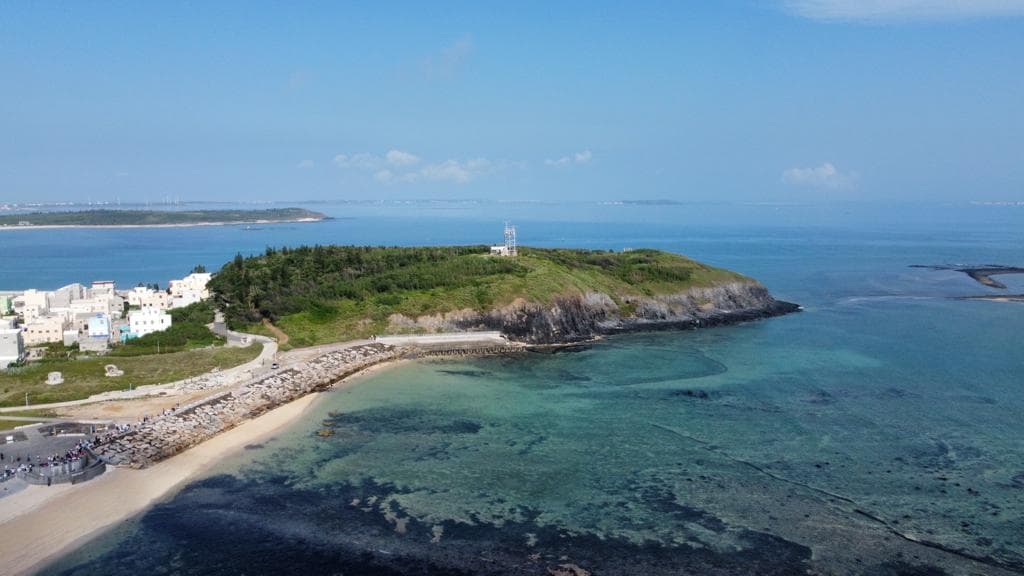
How to Start a Drone Business
How to Start a Drone Business: A Step-by-Step Guide
Are you fascinated by the world of aerial photography or looking to tap into the booming drone industry? Starting a drone business can be an exciting venture, but like any entrepreneurial endeavor, it requires careful planning and execution. In this guide, we'll take you through the essential steps to launch your own drone business successfully.
1. Get a Drone
The foundation of any drone business is, of course, the drone itself. Invest in a reliable and capable drone that suits your business needs. Consider factors such as camera quality, flight time, and range. Popular models like DJI Mavic Air 2 or Autel Robotics EVO Lite+ are excellent choices for beginners, offering a balance of features and affordability.
2. Get Good at Flying Drones
Before diving into the business world, hone your drone piloting skills. Spend time practicing in open areas to become familiar with the controls and maneuverability of your drone. Familiarize yourself with local regulations and safety guidelines to ensure responsible and legal drone operation.
3. Build a Portfolio
Create a portfolio showcasing your drone photography or videography skills. Capture a variety of shots to highlight your versatility – landscapes, real estate, events, or even promotional content. A well-rounded portfolio will attract a broader range of potential clients.
4. Design a Contract
Protect yourself and your clients by creating a comprehensive contract. Outline the scope of work, pricing, delivery timelines, and any additional services you may offer. Clearly define your responsibilities and expectations, providing transparency that builds trust with your clients.
5. Get Your First Client
Securing your first client is a significant milestone. Leverage your network, social media, and local business directories to promote your services. Offer special promotions or discounted rates for early clients to build your initial client base.
6. Meet with Your Client and Negotiate Terms
Once you have a potential client, arrange a meeting to discuss their needs and negotiate terms. Understand their vision and requirements, and be prepared to provide insights on how your drone services can add value to their project. Effective communication is key to building lasting client relationships.
7. Fulfill Drone Shoot
Execute the drone shoot according to the agreed-upon terms. Pay attention to details, and capture high-quality footage or images that align with your client's expectations. Ensure that you adhere to safety regulations and secure any necessary permits for the location of the shoot.
Starting a drone business requires dedication, skill, and a strategic approach. By following these steps, you'll be well on your way to establishing a successful drone business. Remember, continuous improvement and staying updated with industry trends will contribute to your long-term success in this dynamic and evolving field. Happy droning!
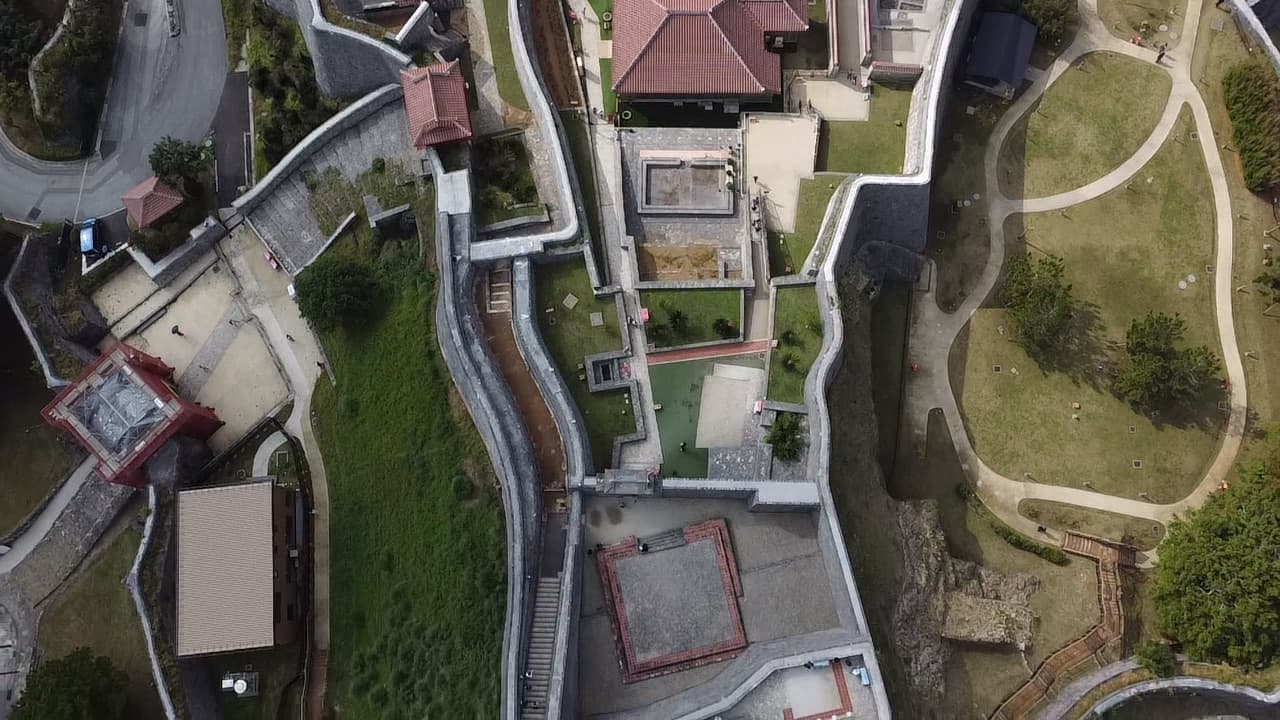
Castle of Okinawa
Ancient wooden castle to modern steel barn
After an unfortunate even where the ancient castle burned. We missed the opportunity to witness it in it glory. As architectural connoisseurs it was a bummer to not see one of Okinawa's most important buildings. None the less we still flew the drone up and appreciated the atmosphere of the environment.